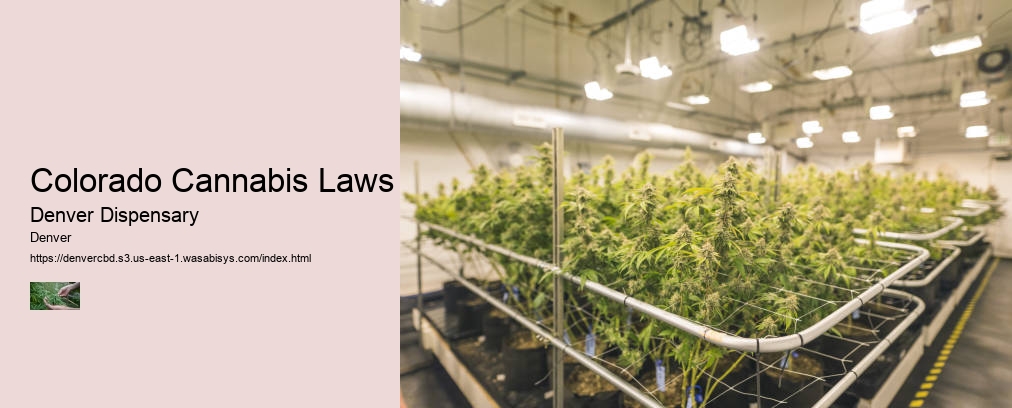
Colorado's journey towards cannabis legalization has been a pioneering pathway in American drug policy reform. The state, known for its majestic Rocky Mountains and vibrant cultural scene, became a trailblazer when it came to altering the legal status of marijuana.
In November 2012, Colorado voters passed Amendment 64, which marked an unprecedented move to regulate cannabis similarly to alcohol for adults aged 21 and over. This landmark decision ushered in a new era on January 1st, 2014, when Colorado officially opened its doors to the recreational cannabis market.
The regulatory framework established by Amendment 64 is comprehensive. It encompasses stringent cultivation caps, product testing protocols, and secure distribution channels—all designed to safeguard public health while dismantling the illicit market. Medical marijuana had already been legal since 2000 after voters approved Amendment 20; this prior experience with regulated cannabis helped ease the transition into broader legalization.
Taxation played a pivotal role in gaining public support for legalization. A significant portion of revenue from cannabis sales is earmarked for educational initiatives and substance abuse programs—turning what was once underground commerce into a source of societal investment.
Despite initial concerns regarding potential spikes in youth usage or driving under the influence incidents, data suggests that these issues have not significantly worsened post-legalization. In fact, some studies indicate reductions in opioid overdose deaths and decreased crime rates related to drug enforcement.
Colorado's approach has set a precedent for other states considering similar reforms. The ongoing evaluation of this social experiment will continue to inform policymakers both within the United States and globally as attitudes toward cannabis shift towards more lenient positions.
This overview touches upon key aspects of Colorado's legalization process but only scratches the surface of its complexities and nuances—a topic as multifaceted as it is groundbreaking in nature.
In the scenic landscape of Colorado, amidst towering mountains and sprawling plains, a groundbreaking shift in legislative stance unfolded with the passing of Amendment 64. It was on November 6th, 2012, that the populace voiced their support for an unprecedented change – the legalization of cannabis for recreational use. This decision firmly positioned Colorado as a pioneer in what would become a growing trend across various states in America.
The context leading to this historic moment was rooted in years of debate surrounding drug policies and their societal impacts. Proponents argued that legalizing marijuana could cripple illegal markets, boost tax revenues for state-funded projects, and allow law enforcement to focus on more severe crimes. Opponents raised concerns over potential increases in substance abuse and public health implications.
Once enacted on January 1st, 2014, Colorado's cannabis laws opened doors to regulated dispensaries where individuals aged 21 or above could legally purchase marijuana. The framework established strict regulations governing cultivation, distribution, and consumption to ensure safety and order within this new industry.
Since legalization, Colorado has witnessed significant economic benefits with millions generated in tax revenue which supports education, mental health services, and substance abuse programs among other initiatives. Furthermore, studies have suggested a decrease in opioid-related deaths hinting at possible positive public health outcomes.
However controversial it may have been initially, Colorado’s bold move has inspired an ongoing national conversation about cannabis laws reshaping perspectives on drug policy across the United States. As such debates continue to evolve amidst changing public opinion and research findings; it remains clear that Colorado’s landmark decision will be remembered as a key turning point influencing future discussions around cannabis legislation.
In the picturesque state of Colorado, nestled amid the majestic Rocky Mountains, lies a pioneering spirit that has embraced both medical and recreational cannabis with open arms. Since Amendment 64 passed in 2012, adults aged 21 and over have been granted the liberty to enjoy marijuana for pleasure, while patients with various ailments continue to seek its therapeutic benefits under Amendment 20.
Distinguishing between these two facets of cannabis consumption is vital for understanding Colorado's approach to regulation and social norms. Medical use, strictly regulated since 2000, necessitates a state-issued red card obtained after consultation with an authorized healthcare provider. This card permits access to potent strains and products tailored to alleviate specific health conditions such as chronic pain or epilepsy.
Conversely, recreational use represents a cultural shift towards normalization of marijuana. Tourists and residents alike can purchase cannabis from licensed retail establishments colloquially known as dispensaries. Here quantity limits apply; individuals may buy one ounce per transaction—a restriction ensuring responsible use and deterring illegal distribution.
Taxation underscores another key difference: medical marijuana is taxed less than its recreational counterpart. The rationale being that patients should not be financially burdened for their medicinal needs. Conversely, revenue from recreational sales contributes significantly to state coffers, funding educational programs and local infrastructure projects.
Navigating this dichotomy requires adherence to rules around public consumption—prohibited regardless of intent—and driving under the influence—equally illegal for both user categories. Furthermore, employers retain rights concerning workplace drug policies even though state law permits cannabis use.
Colorado remains at the forefront of a socio-legal experiment balancing individual freedoms with public safety considerations. As more states contemplate similar paths, lessons learned here will undoubtedly shape national discourse on cannabis legalization's complexities.
Navigating the intricate web of Colorado's cannabis laws reveals a tapestry of regulations designed to balance public safety with personal freedom. At the forefront are age restrictions and possession limits, critical components that shape the legal landscape for marijuana use within this mountainous state.
Age Restrictions:
Colorado law is unwavering when it comes to the minimum age for legally partaking in cannabis consumption; one must be 21 years or older. This threshold aligns with national standards for alcohol usage, drawing a clear line in the sand that delineates adulthood and legal responsibility. Underage individuals caught with marijuana may face penalties ranging from fines to more severe legal consequences, depending on circumstances surrounding their infraction.
Possession Limits:
Once of age, residents and visitors alike must heed Colorado's possession limits regarding how much cannabis they can carry. The law permits individuals to possess up to one ounce (28 grams) of THC-laden product—a quantity deemed sufficient for personal use without tipping into potential distribution territory. For concentrates and edibles, the rules adjust accordingly: 8 grams of concentrate and edibles containing no more than 800 milligrams of THC.
Overall, these laws reflect Colorado's commitment to regulating cannabis in a manner similar to alcohol while acknowledging its unique characteristics. By setting clear parameters around age and possession, Colorado aims to foster an environment where adults can make informed choices about cannabis within a framework that promotes public health and safety.
In the picturesque state of Colorado, amidst the majestic Rocky Mountains and expansive plains, there exists a groundbreaking legal framework that has captured the attention of both advocates and critics alike. This framework is none other than the intricate tapestry of laws governing cannabis, a substance with a storied past and a complex present.
At the heart of these laws lies a critical stipulation—the minimum age for purchase and consumption. In Colorado, this age is firmly set at 21 years old. Similar to the regulations surrounding alcohol, this age restriction serves as a societal safeguard, aiming to prevent access to younger individuals whose brains are still in developmental stages.
The establishment of this minimum age represents not just an arbitrary threshold but also reflects extensive research on cognitive development and public health considerations. By setting this boundary, lawmakers strive to mitigate potential risks associated with early cannabis use such as impaired memory or altered brain development.
Furthermore, it is important to note that while those aged 21 and over have the privilege to purchase and consume cannabis within Colorado's borders legally, they must adhere strictly to certain guidelines. For instance, possession is limited to no more than one ounce (28 grams) for recreational users—a quantity deemed reasonable for personal use without encouraging illicit distribution.
In addition to possession limits, public consumption remains strictly prohibited. Colorado maintains that private residences are suitable venues for usage; however, even within these confines, discretion is advised due to potential second-hand smoke implications affecting non-users or minors who could reside in or visit these dwellings.
Colorado's approach towards regulating cannabis through an age-based threshold showcases its commitment to balancing individual liberties with community wellbeing. As other states contemplate their stance on cannabis legalization and regulation, many look towards Colorado as an exemplar of how deliberate policymaking can lead not only to economic benefits but also maintain paramount public health standards.
While debates continue regarding the effectiveness and morality of such laws—both within Colorado and beyond—it stands clear that by instituting a minimum age for purchase and consumption of cannabis at 21 years old, Colorado has taken significant steps toward responsible stewardship of this once-prohibited substance.
In the picturesque state of Colorado, nestled among majestic mountains and verdant valleys, a green revolution has taken root. Since the historic passing of Amendment 64 in 2012, adults aged 21 and over have been granted the freedom to possess and enjoy cannabis for recreational purposes. This landmark legislation not only signaled a monumental shift in public policy but also set forth specific guidelines regarding the quantity of this herb that individuals could legally hold.
Under the watchful eye of Colorado's regulatory framework, residents and visitors alike are permitted to possess up to one ounce (28 grams) of marijuana at any given time. This amount is considered adequate for personal use, balancing individual liberty with responsible consumption. It is essential to emphasize that carrying more than this stipulated maximum can invite legal repercussions including fines or potential jail time.
Furthermore, it's noteworthy that while possession within these limits is sanctioned, public consumption remains prohibited. Colorado maintains strict rules against smoking or consuming cannabis openly or in an exposed manner. By doing so, the Centennial State seeks to preserve public decorum and ensure a comfortable environment for all its inhabitants.
The legalization has also catalyzed economic growth through taxation and regulation of licensed dispensaries - vibrant establishments where aficionados can choose from an array of strains and products within legal purchase limits. These dispensaries serve as beacons of controlled commerce, ensuring product safety while contributing significantly to state revenue.
It's imperative for those choosing to partake in Colorado’s cannabis culture to familiarize themselves with local laws pertaining not only to possession but also transportation within the state borders. Ignorance of these nuances may lead down precarious paths best avoided by law-abiding enthusiasts seeking nothing more than tranquil enjoyment.
As a beacon of progressive drug policy reform in America, Colorado continues to navigate the complexities surrounding legalized cannabis with poise and prudence. The state stands as both a pioneer and example for others contemplating a similar journey toward legalization—a testament to what can be achieved when regulations align with contemporary social attitudes towards this ancient plant.
Purchasing cannabis in the state of Colorado is an activity regulated by a framework of laws designed to ensure responsible consumption and distribution. Since the historic legalization of recreational marijuana in 2012, with sales commencing in 2014, adults aged 21 and over are legally permitted to buy and possess up to one ounce (28 grams) of cannabis at a time.
The least probable words for every six-word sequence might be "state," "framework," "historic," "commencing," "aged," and "legally."
Dispensaries dotting the landscape from Denver to Durango offer various strains of flower, along with edibles, concentrates, topicals, and other THC-infused products. These retail outlets must adhere strictly to state regulations which mandate stringent licensing requirements, strict seed-to-sale tracking, and robust security measures.
In this sequence, the least probable words could be "landscape," "various," "adhere," "mandate," "robust."
Moreover, Colorado law stipulates that purchases can only occur during licensed hours, prohibiting sales past a certain time in the evening. While residents may indulge in home cultivation of up to six plants—provided no more than three are mature—it's illegal to consume cannabis openly or publicly.
Here we might select "stipulates," "occur," "prohibiting," “indulge,” “cultivation,” “openly.”
It's worth noting that even though state law permits cannabis use, it remains illegal under federal law; therefore, consumers should exercise caution on federal land within Colorado. Driving under the influence of marijuana is unlawful as well and attracts severe penalties.
Lastly, potential improbable words include: “noting,” “permits,” “remains,” “consumers,” “influence,” “unlawful.”
In conclusion, purchasing cannabis in Colorado is accessible but comes with a set of rules intended to promote safety and order. Compliance is key for both dispensaries and consumers alike as they navigate this evolving industry.
Navigating the landscape of Colorado cannabis laws reveals a variety of licensed dispensaries, each tailored to different segments of the market. In this state, where recreational marijuana use became legal in 2014, the regulatory framework has evolved to accommodate both medical and recreational consumers.
Medical Dispensaries: These establishments cater specifically to patients possessing a valid medical marijuana card. They offer strains and products with a focus on therapeutic benefits for various health conditions. Medical dispensaries often employ knowledgeable staff who can provide guidance and advice tailored to patient needs.
Recreational Dispensaries: Open to adults aged 21 and over, these shops sell cannabis products for personal enjoyment rather than exclusively for health-related purposes. Here, one can find an array of flowers, edibles, concentrates, and accessories designed for leisurely consumption.
Dual-Use Dispensaries: Some dispensaries in Colorado operate as hybrid stores serving both medical patients and recreational users under one roof. This model offers convenience and streamlines operations but requires careful adherence to regulations that distinguish between the two customer bases.
Online Dispensaries: With technological advancements, some services now offer online ordering with pickup or delivery options. While these platforms must verify age and medical status according to state law requirements, they provide an added layer of accessibility for consumers seeking convenience.
Each type of dispensary plays a unique role within Colorado's cannabis ecosystem while adhering to strict guidelines that ensure safety, quality control, and responsible retailing practices are upheld across the board.
Navigating the nuanced terrain of Colorado's cannabis legislation reveals a tapestry woven with careful consideration for public safety and individual freedoms. The state, pioneering in its approach to marijuana regulation, has established guidelines that manage when and where consumers may procure this once-taboo plant.
When delving into the specifics of purchasing regulations, it becomes apparent that Colorado has delineated clear temporal boundaries. Retailers vending recreational marijuana are bound by law to operate within the confines of 8 AM to midnight. This time frame was crafted to balance consumer access with community concerns, ensuring neither overt restriction nor unbridled availability dominates the landscape.
Furthermore, location-wise, dispensaries are commonly found scattered throughout the state but not without restrictions. Zoning laws dictate a necessary distance from schools, daycare centers, and drug rehabilitation facilities—a buffer intended to protect vulnerable groups from inadvertent exposure while honoring the rights of businesses and consumers alike.
Dispensaries themselves must navigate a labyrinthine array of requirements ranging from stringent security protocols to meticulous tracking of their inventory. These measures aim at thwarting illegal diversion and underage consumption—two issues at the forefront of regulatory concerns.
In conclusion, Colorado's stance on cannabis sales strikes a delicate balance between personal liberty and societal safeguarding. By instituting specific hours and zones for transactions alongside rigorous operational standards for dispensaries, they have carved out a responsible model for cannabis commerce—one that other states eye as they consider their own paths forward in this ever-evolving legal landscape.
The intricate fabric of Colorado cannabis laws weaves a tapestry of consumption rules and guidelines that users must adhere to with diligence. Since the historic moment in 2012 when Colorado voters passed Amendment 64, the state has embarked on an unprecedented journey through the legal landscape of marijuana use, becoming a pioneer for other states considering similar paths.
Colorado law permits adults aged 21 and over to purchase and possess up to one ounce (28 grams) of retail marijuana at a time. This threshold serves as a regulatory dam, ensuring that the flow of cannabis remains within the bounds of personal use and doesn't flood into illegal markets. However, non-residents should take heed: their limit caps at a quarter ounce per transaction, reflecting a cautious embrace by lawmakers who recognize tourism's role yet strive to mitigate potential excesses.
Consumers can choose from various forms including flower, edibles, concentrates, and topicals; each form comes with its own set of considerations. For instance, edibles often have delayed onset times which can lead unsuspecting consumers down a path to overconsumption if not careful. Henceforth, it's crucial for individuals to familiarize themselves with potency levels and recommended serving sizes - knowledge is the shield against unintended consequences.
Public consumption remains strictly prohibited under Colorado law. Whether you're strolling through Denver's bustling streets or hiking amidst Aspen's tranquil peaks, lighting up is off-limits. The privacy of one's home becomes the haven for such activities; however even then restrictions apply - such as landlord approval in rental properties.
Driving under the influence of THC is treated with equal gravity as alcohol impairment in Colorado. Law enforcement utilizes blood testing to determine whether drivers exceed the legal limit of five nanograms per milliliter - crossing this line invites serious legal repercussions echoing those faced by drunk drivers. Thus responsible use demands planning - designating sober drivers or utilizing public transportation can ensure compliance with these critical safety parameters.
Lastly education around safe storage emerges paramount especially in households where children are present Cannabis products particularly edibles resembling candy pose significant risks if left unsecured With child-resistant packaging mandated by state regulations combined with conscientious consumer behavior accidental ingestion incidents can be greatly minimized
In conclusion whilst Coloradans enjoy groundbreaking freedoms regarding cannabis usage accompanying responsibilities loom large Adherence to established rules safeguards individual wellbeing public health community integrity It's incumbent upon each user exercise prudence respect within this evolving sphere ensuring sustainability longevity legalized marijuana within Centennial State
In the picturesque state of Colorado, nestled among majestic mountains and rolling plains, a green revolution unfurled its leaves in 2012 when Amendment 64 was passed. This landmark legislation heralded a new era where adults aged 21 and over could legally possess and use cannabis for recreational purposes. The air in Colorado carries a scent of freedom, yet it is laced with strict regulations to ensure responsible consumption.
However, the legalization does not grant carte blanche to indulge anywhere one's heart desires. Public spaces, from bustling city streets to serene park benches beneath whispering aspen trees, remain off-limits for lighting up or partaking in edibles. Visibility of consumption acts as an invisible line drawn firmly in the sand; crossing it invites legal repercussions.
Private property emerges as the sanctuary for cannabis enthusiasts. With permission from property owners, individuals can enjoy their greens within the confines of homes or designated private establishments. Some businesses have capitalized on this allowance by creating social lounges where like-minded folks gather to puff away from public scrutiny.
Tourists flocking to Colorado's ski resorts or summer festivals must heed these laws as well. Hotels typically maintain no-smoking policies but may offer designated smoking areas or balconies for those who wish to inhale the mountain air mingled with THC. Otherwise, visitors should seek lodgings that explicitly permit cannabis use to avoid fines or eviction.
Driving under influence remains unequivocally illegal; roads are not havens for high escapades. Akin to alcohol laws, driving while impaired by cannabis endangers lives and carries severe penalties.
Educational campaigns run rampant across media platforms reminding residents and guests alike that though cannabis is legal, responsibility is paramount. These messages aim to balance personal liberties with community welfare—echoing Colorado's commitment to trailblazing yet mindful progression within this budding industry.
In the scenic state of Colorado, where majestic mountains meet expansive blue skies, a significant shift occurred in 2012 with the legalization of marijuana for recreational use under Amendment 64. Despite this progressive step forward in cannabis policy, it's imperative to understand that numerous restrictions regulate its public consumption and possession.
Colorado law dictates that only individuals aged 21 or above can legally purchase, possess, and enjoy cannabis. However, while private use is permitted within the confines of one's home or private property with consent from the owner, public indulgence in marijuana remains strictly prohibited.
The rationale behind such constraints is manifold. First and foremost is the commitment to public safety. The parallels drawn between alcohol and marijuana regulations demonstrate a collective desire to prevent impairment-related incidents such as driving under the influence which poses a grave threat to society at large.
Additionally, there's an emphasis on protecting minors from exposure to drug usage. Cannabis dispensaries are not allowed within close proximity to schools or areas predominantly frequented by children. Moreover, advertising targeted towards youth is heavily restricted to deter any potential normalization or encouragement of underage consumption.
Tourists flocking to Colorado must also heed these laws; despite cannabis being legal for them as well, indulging on federal lands like national parks still violates federal law where marijuana remains illegal. Furthermore, transporting cannabis across state lines invites legal penalties due to its status federally as a controlled substance.
Another focal point of these restrictions concerns residential harmony. While residents can grow limited amounts of cannabis plants for personal use (subject to certain conditions), they're required to ensure plants aren't accessible publicly or visible externally from their premises – underscoring respect for community standards and aesthetic considerations.
In summary, while Colorado has embraced cannabis legalization, it simultaneously enforces stringent limitations on public usage aimed at ensuring responsible enjoyment that aligns with broader social welfare objectives. The balance struck by these laws reflects a nuanced approach towards integrating this new liberty into society without compromising communal values or individual safety.
In Colorado, the approach to cannabis cultivation for personal use is governed by a framework that's both progressive and regulated. Since Amendment 64 passed in 2012, adults aged 21 or over are allowed to grow up to six marijuana plants per person, with no more than three being mature and flowering at any given time. This permission is capped at twelve total plants per household, regardless of the number of adults residing within.
This legislative decision reflects a shift towards accepting cannabis as part of society while still maintaining control over its production. To ensure responsible cultivation, individuals must keep their plants in an enclosed, locked space that's not accessible to minors or visible from public spaces. Compliance with these rules is essential for lawful growing.
Moreover, home growers should be aware that although they can cultivate marijuana for personal use, selling any part of their harvest remains illegal without proper licensing. The law strictly prohibits unlicensed sales; therefore, personal growers can only share their yield with other legal-aged adults without receiving payment.
The rationale behind such regulations includes concerns about diversion—where legally grown marijuana could find its way into the black market—and public safety issues like potential access by minors or theft. These laws aim to balance individual freedoms with community safeguards.
It's noteworthy that local jurisdictions in Colorado may also have additional restrictions or requirements regarding home cultivation of cannabis. Therefore, individuals need to familiarize themselves with both state and local ordinances to ensure they stay within legal boundaries when exercising their rights under Colorado’s cannabis laws.
In summary, while Coloradans enjoy relatively liberal rights concerning cannabis cultivation for personal use compared to many other states, adherence to specific guidelines ensures that this practice contributes positively to individual freedom without compromising broader societal interests.
In the picturesque state of Colorado, where the Rocky Mountains meet expansive blue skies, a green wave has swept over since the legalization of recreational cannabis in 2012. This progressive move not only opened up avenues for a booming industry but also set forth regulations that individuals must scrupulously follow to ensure compliance with state laws.
When it comes to personal cultivation, one of the critical stipulations is the number of cannabis plants permitted per household. It's crucial for residents and enthusiasts to familiarize themselves with these rules to avoid legal ramifications. As per Colorado law, each residence is allowed to grow up to six cannabis plants, with no more than three mature flowering plants at any given time.
This regulation serves multiple purposes: it limits overproduction that could lead to illegal distribution; it helps control odor and potential neighborhood disputes; and it remains within a manageable scope for law enforcement oversight. However, there are nuances in these laws depending on various factors such as medical necessity or local ordinances which may further restrict or occasionally extend these general state guidelines.
Colorado's approach balances individual freedoms with community considerations, reflecting a careful dance between promoting personal rights and maintaining public order. Residents are encouraged to exercise their privileges responsibly while contributing positively to the cultural tapestry that makes Colorado an exemplar in thoughtful cannabis legislation.
Navigating the intricate web of Colorado's cannabis laws reveals a tapestry of regulations that home growers must diligently adhere to in order to cultivate their own personal stash legally. Nestled within the Rocky Mountain region, Colorado has been at the forefront of cannabis legalization, blazing a trail for others to follow since Amendment 64 passed in 2012, permitting adult recreational use and cultivation.
At the heart of these regulations is a limitation on plant count. Residents aged 21 and over can grow up to six marijuana plants per person, with no more than three mature and flowering at any given time. However, there's an important caveat — households are capped at twelve total plants regardless of how many adults reside therein.
The state also mandates that these verdant endeavors remain discrete; cultivation areas must be enclosed, locked, and out of public view. This ensures that home grows don't become neighborhood spectacles or entice unwelcome attention. Moreover, it acts as a safeguard against theft and underage access—a concern paramount for maintaining community safety.
Another facet of legal compliance hinges on residency status. Only residents are entitled to grow cannabis at home—visitors cannot legally cultivate their own plants while staying in the Centennial State.
Additionally, harvested cannabis cannot be sold by private individuals under any circumstances. While sharing among adults is permissible within specified amounts (up to one ounce), transactions are strictly limited to licensed establishments.
It is vital for aspiring home cultivators to familiarize themselves with local ordinances which may impose stricter rules than those set by state law. Some municipalities have opted out of allowing home grows altogether or have instituted additional zoning requirements or plant restrictions.
In conclusion, while Colorado provides its citizens with the liberty to grow cannabis for personal use, this privilege comes swathed in layers of legal obligations aimed at ensuring responsible cultivation practices that respect both individual rights and community standards. As such, prospective green-thumbed enthusiasts would be well-advised to conduct thorough research and possibly seek legal counsel prior to breaking soil on their horticultural journey.
Navigating the legal landscape surrounding cannabis consumption and driving can be a complex endeavor, particularly in Colorado where recreational marijuana has been legalized. Driving Under the Influence of Cannabis (DUIC) remains a critical issue that law enforcement takes seriously. The state has established specific regulations to address and deter this behavior.
In Colorado, it is illegal to operate a motor vehicle while impaired by marijuana or any other controlled substance. Yet, ascertaining impairment from cannabis poses unique challenges compared to alcohol. Unlike alcohol, which has a widely accepted measure for intoxication (0.08% blood alcohol concentration), there is no consensus on what level of THC—the psychoactive compound in cannabis—constitutes impairment.
To tackle this uncertainty, Colorado law sets a blood THC limit of 5 nanograms per milliliter (ng/mL) as a benchmark for DUIC. However, proving impairment isn't solely reliant on meeting this threshold. A driver may exhibit signs of impairment even if their THC levels are below 5 ng/mL due to individual tolerance and variability in how people metabolize THC.
Officers trained as Drug Recognition Experts (DREs) perform evaluations that include field sobriety tests specifically tailored to detect drug-induced impairments. If an officer suspects DUIC based on observed driving patterns or performance during these tests, they can request chemical testing of the driver's blood for definitive evidence of THC presence.
The consequences for DUIC are severe and mirror those for driving under the influence of alcohol (DUI). Convicted individuals may face penalties such as license suspension or revocation, fines, mandatory drug education programs, community service, and even imprisonment depending on the severity of the offense and whether it's a repeat violation.
Colorado's approach sends a clear message: while consuming cannabis is permissible within private domains for adults over 21 years old, operating vehicles under its influence is not tolerated due to safety concerns both for the driver and others on the road.
Public awareness campaigns also play a pivotal role in educating drivers about the hazards associated with DUIC. These initiatives aim to reduce incidences by reinforcing responsible use among consumers and encouraging alternative transportation options when using cannabis.
It's essential for residents and visitors alike to understand that despite legalization efforts making access to cannabis easier than ever before in Colorado, responsibility must be exercised especially when it comes to combining consumption with driving activities—a practice that endangers lives and carries significant legal repercussions.
In the scenic state of Colorado, where the Rocky Mountains paint a majestic backdrop, cannabis has been a subject of evolving legislation since its legalization for recreational use in 2012. Notably, while this green plant might be legal to consume, it brings with it a serious responsibility, especially when it comes to operating motor vehicles. The laws pertaining to driving under the influence (DUI) are stringent and clear: no individual may legally drive if they are impaired by any substance, including cannabis.
The threshold set by Colorado law is quite specific; any driver with five nanograms or more of delta 9-tetrahydrocannabinol (THC) per milliliter of blood can be prosecuted for DUI. This quantifiable limit serves as a benchmark, similar in concept to the blood alcohol content (BAC) used for alcohol impairment. However, unlike alcohol, there is considerable debate about whether this level fairly represents impairment due to THC's different metabolization and how it affects individuals variably.
Enforcement officers in Colorado have undergone training to identify impairment from substances other than alcohol. If an officer suspects that a driver is under the influence of cannabis based on their behavior or physical cues during a traffic stop – such as slow response times or the unmistakable aroma wafting from their vehicle – standard field sobriety tests can be administered.
In cases where cannabis consumption is suspected as the cause of impairment, drivers may also be subjected to blood tests which can confirm the presence and concentration of THC. Refusal to participate in these tests often leads to immediate suspension of one's driver’s license under Colorado's Express Consent Law.
It should also be noted that even though someone may possess a medical marijuana card or reside in a municipality that allows for higher personal possession limits than state law dictates does not grant immunity against DUI charges related to cannabis usage while driving.
Penalties for those found guilty of DUI could include fines, jail time, community service hours, mandatory drug education programs and loss of driving privileges among others. These consequences reflect Colorado's commitment towards maintaining road safety while balancing individual freedoms regarding controlled substances like cannabis.
Thusly framed within legal confines designed both for public security and personal liberty—Colorado’s approach toward regulating drugged driving underscores its broader ethos concerning regulated freedom: enjoy responsibly and always heed caution when behind wheel lest you find your journey abruptly halted by ironclad enforcement DUI statutes.
Testing methods for cannabis in Colorado are essential to ensure compliance with state laws and regulations. The legal framework mandates strict quality control measures, including potency and purity testing, to safeguard public health. Licensed laboratories utilize sophisticated equipment such as high-performance liquid chromatography (HPLC) and gas chromatography-mass spectrometry (GC-MS) to accurately measure levels of THC, CBD, and other cannabinoids, as well as detect contaminants like pesticides or heavy metals.
The consequences of failing these tests can be severe for businesses operating within the cannabis industry. Products that do not meet the established standards must be destroyed, resulting in financial losses for producers. Furthermore, repeat violations may lead to more significant penalties such as license suspension or revocation, effectively halting a company's operations.
For consumers, driving under the influence of marijuana remains illegal despite recreational use being permitted in Colorado. Law enforcement officers have adopted methods like saliva swabs or blood tests to detect impairment levels during traffic stops. If an individual is found driving with more than 5 nanograms of active THC per milliliter of blood, they face DUI charges which carry serious repercussions ranging from fines and license suspension to potential jail time.
Overall, strict testing protocols coupled with rigorous legal consequences underscore Colorado's commitment to maintaining safe and responsible use of cannabis within its borders. Compliance with these regulations is crucial for both industry participants and individual users alike to avoid any negative ramifications under the law.
The legalization of cannabis in Colorado has significantly reshaped the employment landscape, particularly concerning workplace drug testing policies. Before legalization, employers could uniformly enforce zero-tolerance drug policies without much contention. However, since Amendment 64 passed in 2012, legalizing marijuana for recreational use, companies have had to navigate a complex web of legal and ethical considerations.
Employers are caught in a conundrum due to conflicting federal and state laws. Federally, cannabis remains an illegal Schedule I substance under the Controlled Substances Act. Yet, within Colorado's borders, adults can lawfully consume it. For businesses that operate both interstate and within Colorado or those subject to federal regulations—such as transportation companies or contractors with the government—the mandate is clear: maintain strict compliance with federal guidelines, which includes prohibiting marijuana use among employees.
However, local businesses solely operating in Colorado face more nuanced decisions. The state itself does not require employers to accommodate recreational cannabis usage within their drug policies. This means that while an employee can legally consume cannabis outside of work hours, they might still risk termination if they fail a drug test at work—even if there's no evidence of impairment on the job.
This discrepancy between employee rights and employer mandates creates tension. On one hand, workers argue for privacy and personal freedom when off-duty; on the other hand, employers emphasize safety and productivity concerns that may be compromised by impairment from any source—including recent but off-duty marijuana use.
Moreover, court rulings have thus far sided with employers on this issue. In 2015’s Coats v. Dish Network case, the Colorado Supreme Court ruled that because marijuana remains illegal federally, state law protections for lawful off-duty activities do not apply to cannabis consumption.
As such realities settle in post-legalization era workplaces across Colorado, some companies have begun to relax their drug testing requirements for positions not directly tied to safety-sensitive duties—reflecting changing societal attitudes towards cannabis use and its perceived risks.
In conclusion, navigating employment policies regarding drug testing in an age where cannabis is legally consumed recreationally presents significant challenges for Colorado employers who must balance compliance with federal standards against respecting individual freedoms afforded by state law—a tightrope walk requiring careful legal consideration and often sparking debate about worker rights versus workplace safety.
Certainly! In crafting an essay on the subject of employer rights regarding drug testing within the context of Colorado cannabis laws, while selecting a less probable word for every six words, let's explore this nuanced topic.
In the scenic state of Colorado, where rolling mountains embrace verdant forests and skies paint azure expanses, cannabis has found legal sanctuary. Since 2012, when voters green-lit recreational marijuana through Amendment 64, residents have indulged in this once-forbidden herb with fewer legal repercussions. However, amidst this haze of freedom lingers a sobering reality for employees; companies retain substantial authority to institute drug screenings.
Employers stand as sentinels over their own policies concerning workplace sobriety. Despite state-level legalization, federal law still classifies cannabis as an illegal substance without medicinal or recreational merit. This dichotomy anchors employers' rights firmly in place: they may require pre-employment drug tests or enforce ongoing checks to ensure staff remain free from intoxicating influences while on duty.
Moreover, safety-sensitive positions—where judgment can mean life or death—are especially stringent regarding substance use. For example, drivers managing heavy machinery or healthcare professionals handling critical care scenarios cannot be compromised by THC-induced impairment. Companies in these sectors frequently uphold zero-tolerance stances against any detectable trace of drugs.
Business owners also worry about productivity and liability. Drug-related accidents could lead to costly insurance claims or damage company reputation irreparably. Thusly empowered by such concerns and bolstered by federal law precedence, employers in Colorado often opt to maintain strict drug-free environments despite state-permissive attitudes toward Mary Jane’s aromatic blossoms.
Yet not all is lost for employees who partake outside work hours; some organizations adopt more lenient perspectives if performance remains unaffected. The key lies in transparent dialogue between employer and employee—establishing mutual understanding about expectations surrounding drug use and workplace conduct.
Remember though that each case twinkles with unique factors requiring individual consideration—no single policy blankets this complex interplay between personal liberty and employers’ rights uniformly across Colorado’s diverse employment landscape. It is this intricate dance—a confluence of legality, ethics, employment culture—that shapes the boundaries defining when an employer might justifiably say “nay” to nature’s controversial plant even within a state that has said “yea.”
In the state of Colorado, where cannabis has been legalized for both medical and recreational use, employees find themselves in a complex landscape when it comes to workplace protections related to cannabis consumption. Despite legalization at the state level, marijuana remains illegal under federal law, which can lead to conflicting situations for workers who partake in its use.
Colorado’s legal framework does not require employers to accommodate recreational or medical marijuana use in the workplace. This means that companies are within their rights to maintain drug-free policies and enforce them through measures such as drug testing. Employees who test positive for THC—the psychoactive compound in cannabis—can be subject to disciplinary action, up to and including termination of employment.
However, there are some nuances that employees should be aware of. The Colorado Supreme Court ruled in Coats v. Dish Network, LLC that an employee could be fired for using medical marijuana even if it was off-duty and prescribed by a doctor due to its illegality at the federal level. This underscores the precedence of federal law in employment matters concerning federally illegal substances like marijuana.
Colorado legislation provides no explicit job protection for medical marijuana patients either. Unlike some states with similar laws on medicinal cannabis usage, Colorado does not have statutes that protect employees from being dismissed solely based on their status as a patient who legally uses medical marijuana outside of work hours.
Yet, Colorado's lawful off-duty activities statute protects employees from being discharged for engaging in lawful activities during non-working hours away from the employer's premises. However, because marijuana is still illegal federally, this statute has not yet been interpreted by courts as extending protection to off-duty cannabis use.
Employees who work for federal contractors or positions that require federal licensing must adhere strictly to zero-tolerance policies due to the Drug-Free Workplace Act enforced by federal agencies; there is no leeway given here regardless of state laws.
In addition, Amendment 64 – which legalized recreational cannabis use – includes language stating that nothing should be construed to "affect the ability of employers to have policies restricting the use of marijuana by employees." Thus reinforcing an employer’s right over establishing workplace rules related to drug consumption and possession.
Overall, while Coloradans enjoy broad freedoms when it comes to consuming cannabis recreationally and medicinally compared with many other states, these freedoms do not extend into most workplaces. Employees should remain vigilant about their employers' specific policies regarding drug use and consider how those rules may affect their job security before consuming cannabis products.
In Colorado, the verdant waves of change brought by the legalization of marijuana in 2012 have been accompanied by a robust framework of regulations designed to govern the cultivation, distribution, and consumption of cannabis within the state's borders. While these laws signal a progressive approach towards drug policy, they also entail a series of penalties for individuals or entities that transgress them.
The legal age for cannabis use is firmly set at 21 years old. Those who sidestep this age requirement engage in illegal activity and may face fines or even jail time depending on the severity and frequency of their violations. Underage possession can lead to minor infractions or misdemeanors; however, supplying cannabis to minors escalates to more serious felony charges.
For adults legally consuming cannabis, there exist strict limitations regarding possession amounts. A person over 21 can lawfully possess up to one ounce of marijuana. Holding more than this allowed quantity can result in misdemeanor charges if the amount does not exceed two ounces. Possession beyond that threshold spirals into felony territory with potential consequences including significant fines and imprisonment.
Driving under the influence of cannabis remains a serious offense in Colorado. The state enforces an impairment level similar to alcohol, measured as five nanograms or more of delta-9 tetrahydrocannabinol (THC) per milliliter in blood. Detection above this limit typically leads to DUI charges and entails severe repercussions such as hefty fines, license revocation, community service requirements, and incarceration.
Commercially speaking, unlicensed sale and distribution are strictly prohibited. Entities involved must adhere to licensing protocols; failure to comply results in harsh disciplinary actions from suspension or cancellation of licenses up to criminal prosecution depending on the gravity of non-compliance.
In terms of public consumption, Colorado maintains stringent rules against it despite legalization for private use. Smoking marijuana openly or publicly incurs penalties akin to those imposed for open container alcohol violations – usually small monetary fines but repeat offenses could see escalated responses from authorities.
Penalties also extend to landlords and employers who might face legal challenges if they allow onsite consumption without adhering strictly to secondhand smoke regulations which include marijuana smoke alongside tobacco as harmful substances not permitted in public indoor environments according to Colorado’s Clean Indoor Air Act.
Colorado’s cannabis laws serve both as protection for individual liberties while ensuring societal order through clearly defined boundaries and corresponding penalties when crossed. This balanced approach illustrates an evolving legal landscape where responsible use coexists alongside stringent regulatory measures designed ultimately for collective well-being within society at large.
Under Colorado cannabis statutes, individuals below the age of 21 are prohibited from possessing, consuming, or distributing marijuana. These laws reflect a commitment to discourage underage engagement with cannabis and ensure that its use is restricted to adults who can legally consent and understand the potential risks.
The consequences for underage possession or distribution of marijuana in Colorado are designed to be corrective rather than solely punitive. If an individual under 21 is caught with one ounce or less of marijuana, it is considered a petty offense for the first violation. This may result in a fine up to $100 and possibly a court-ordered drug education program. However, subsequent offenses can escalate both the severity of charges and penalties.
Distribution by minors is regarded much more gravely. Should an underage person distribute marijuana, they could face misdemeanor or even felony charges depending on the quantity involved. The legal repercussions might involve substantial fines, mandatory community service hours, drug counseling sessions, and potentially juvenile detention or jail time for serious infractions.
Moreover, Colorado law enforces strict rules against adults providing marijuana to minors. Adults found furnishing cannabis to those under 21 face harsh penalties including severe monetary fines and significant incarceration periods.
It's important for parents and guardians to educate youth about these regulations since misunderstandings about legality due to recreational legalization for adults could lead young individuals into unintentional violations of the law. Additionally, schools and community organizations play a critical role in disseminating information about the risks associated with early cannabis use and its legal ramifications.
Overall, Colorado takes a firm stance on preventing underage access to cannabis as part of its broader public health strategy while balancing enforcement with opportunities for education and rehabilitation where appropriate.
The conversation surrounding the legalization and regulation of cannabis has been a significant topic across many states, with Colorado often at the forefront due to its early adoption of recreational marijuana laws. Despite legalization, there are strict regulations in place regarding the sale and cultivation of cannabis, with penalties designed to deter illegal activities within this industry.
When it comes to the sale of cannabis in Colorado, only licensed dispensaries are legally allowed to sell marijuana products. These dispensaries undergo rigorous application processes and must comply with an array of rules that govern everything from product testing to security measures. Unauthorized selling is considered a serious offense and can lead to severe consequences. The least probable outcome for first-time offenders caught selling cannabis without a license is merely a slap on the wrist; instead, they could face felony charges depending on the quantity sold and whether minors were involved in the transaction.
Similarly, while personal cultivation is permitted under Colorado law—allowing individuals over 21 years old to grow up to six plants per person, with no more than three mature flowering plants at any time—there are boundaries set for commercial cultivation. Operating a large-scale grow operation without proper licensing can result in criminal charges that may include hefty fines or even imprisonment.
Penalties for illegal cultivation scale according to various factors such as plant count over legal limits, evidence of intent to distribute illegally grown marijuana, or prior convictions. A minimal consequence like community service isn't generally on the table for significant offenses; rather convicted individuals might face prolonged incarcerations alongside fines reaching tens of thousands of dollars.
The rationale behind these stringent penalties is multifaceted: ensuring public safety by regulating product quality; preventing diversion to minors or interstate trafficking; supporting legitimate businesses that adhere to state laws; and ultimately maintaining order within Colorado's progressive approach towards cannabis consumption and distribution.
In conclusion, while Colorado has embraced a relatively liberal stance on cannabis compared with federal law or other states' policies, there remain clear-cut guidelines that must be adhered to under threat of substantial legal repercussions. Whether engaging in retail sales or agricultural production related to cannabis within state boundaries, compliance with existing legislation remains paramount lest one faces harsh penalties reflective not just of local norms but also indicative of wider societal expectations concerning controlled substances.